

Ever wondered why some people pay off their debts faster and with less stress while others struggle month after month? Often, it comes down to choosing the right debt management strategy for your financial situation.
In 2026, with multiple debts, changing interest rates, and evolving repayment options, understanding the differences between debt consolidation vs debt management is key. For example, a $10,000 credit card balance consolidated into a 36‑month personal loan at 10% APR can save hundreds in interest compared to paying the minimum on multiple high-interest cards.
Picking the right approach can simplify repayments, protect your credit, and help you regain control of your finances—all without unnecessary stress or confusion.
If you’re paying multiple credit card bills each month, debt consolidation often sounds appealing. The idea is simple: combine several outstanding balances into one monthly payment, ideally with a lower interest rate. But does it actually solve the problem, or just rearrange it?
Debt consolidation works by using new credit to pay off existing debt. Instead of managing multiple due dates and interest rates, you focus on repaying a single account. This approach is often considered when high-interest charges make repayment difficult.
There are two common ways people consolidate debt:
However, consolidation doesn’t reduce the amount you owe, it changes how the debt is structured. Missed payments or new spending can quickly offset any short-term benefit.
Before choosing this route, it’s important to ask: Will one payment truly make repayment easier, or do I need a plan that addresses long-term affordability and spending habits?

When comparing debt consolidation vs debt management, consolidation often sounds appealing, but is it always the better option? Before choosing this route, it’s important to understand where consolidation works well and where it can create new challenges.
If you qualify for a lower rate than what you’re currently paying, consolidation can reduce the total interest over time. This can make repayment feel more predictable and structured.
Consolidation combines multiple balances into a single loan or card, simplifying repayment and reducing the risk of missed due dates.
Consistent, on-time payments toward a single balance can support credit health over time. Payment history remains the most influential factor in credit scoring, according to the Consumer Financial Protection Bureau (CFPB).
Approval for favorable rates often depends on having strong credit. If your score is already strained, qualifying for a lower interest option may be difficult.
Paying off credit cards with a new loan frees up available credit. Without spending discipline, this can lead to new balances and deeper debt.
If the new rate isn’t meaningfully lower, or if a 0% balance transfer period expires before repayment, the overall cost can increase.
Applying for new credit usually triggers a hard inquiry, which may cause a temporary dip in your score. While this often recovers, it’s a factor to consider.
Key question to ask: If interest rates stay the same, or spending habits don’t change, does consolidation still support your long-term debt management strategy?
This is why understanding the difference between debt consolidation vs debt management matters. Consolidation can work in the right conditions, but it’s not always the most sustainable solution for everyone.
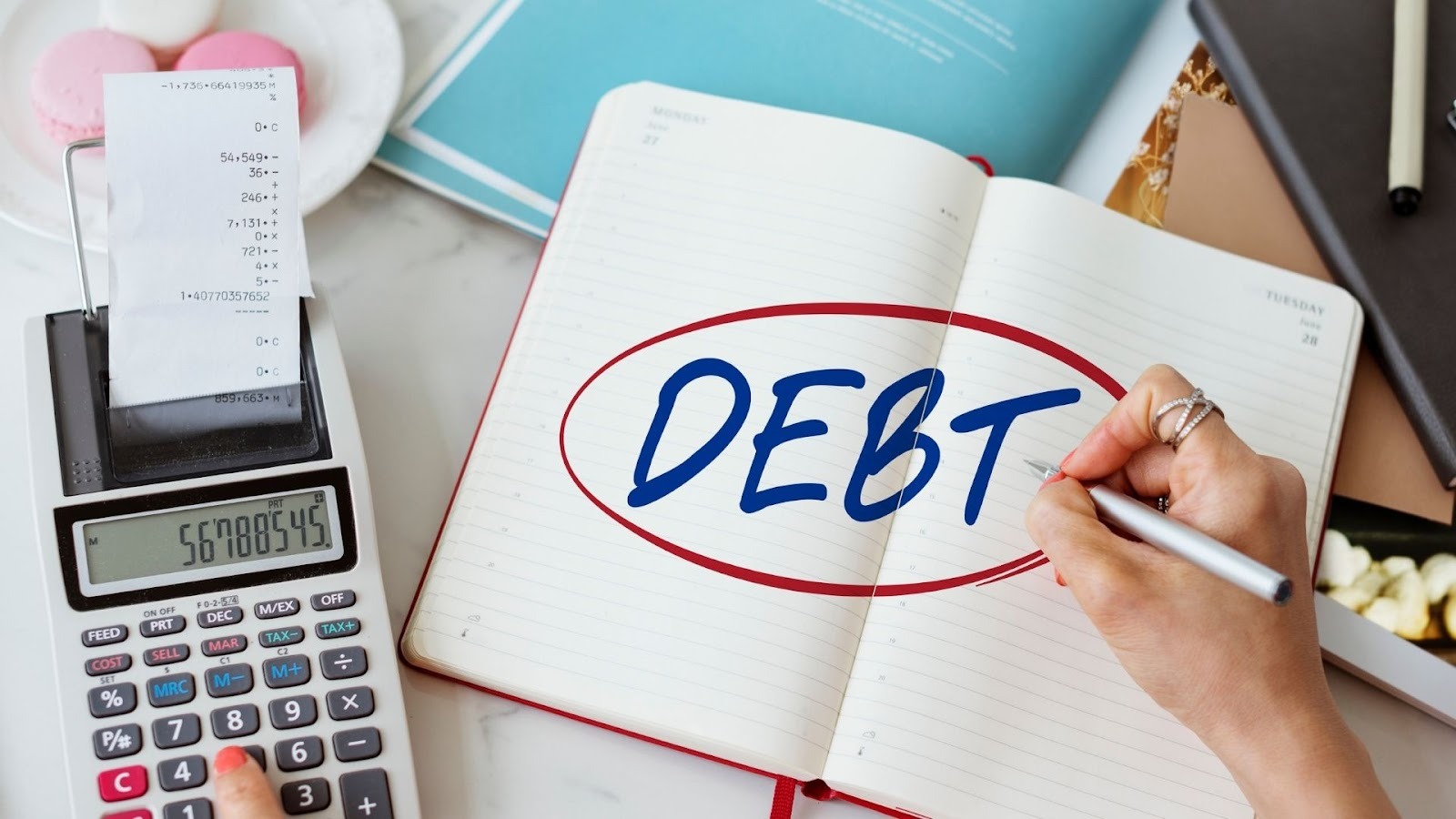
If multiple due dates and rising balances feels unmanageable, a Debt Management Plan (DMP) may offer structure and relief. A DMP is designed to simplify repayment by combining multiple debts into a single monthly payment, making it easier to stay organized and avoid missed deadlines.
Debt management plans are typically recommended after a financial review with a certified credit counselor. During this review, your income, expenses, and outstanding obligations are assessed to determine whether a structured debt management strategy is necessary, especially if monthly payments are becoming a financial strain.
When comparing debt consolidation vs debt management, a key difference stands out:
You make one monthly payment to the plan administrator, who then distributes funds to creditors on your behalf. Most plans run between three to five years, and participants are often required to pause or close credit cards included in the plan.
For individuals who prefer clarity, predictability, and fewer points of contact, this structured approach can reduce financial stress and improve repayment discipline.
This is where modern debt support models matter. Providers like South East Client Services Inc. reflect this shift by enabling digital-first communication, flexible payment options, and secure online account access, making it easier for individuals to follow a repayment plan without unnecessary friction or confusion.

When comparing debt consolidation vs. debt management, many people pause at one key question: Is a debt management plan actually easier to live with? The answer depends on how much structure, discipline, and flexibility you need in your debt management strategy.
A debt management plan (DMP) is designed to bring order to scattered balances and payment dates, often a major source of stress.
Managing multiple due dates can lead to missed payments. A DMP simplifies this by combining eligible debts into a single, predictable payment.
Credit counseling agencies may work with creditors to reduce interest rates. Even small reductions can lower the total cost of repayment over time.
Because a DMP is not a loan, approval does not depend on strong credit. This makes it a practical option for individuals whose credit has already been impacted.
Credit cards included in the plan are typically closed. While restrictive, this removes the temptation to rely on additional credit during repayment
Despite their benefits, DMPs are not a one-size-fits-all solution.
Some lenders may decline to take part, requiring you to continue separate payments to avoid late fees or credit damage.
Many nonprofit credit counseling agencies charge a one-time setup fee (often around $25–$75) and a small monthly administrative fee (commonly $20–$59), with state laws regulating these amounts to keep them reasonable for consumers.
Closing credit cards can increase your credit utilization ratio, which may cause a short-term dip in credit scores.
DMPs typically cover credit cards and personal loans only. Mortgages, auto loans, and other secured debts must be managed separately.
A debt management plan is only effective if payments are made consistently and progress is easy to track. This is where digital access, clear communication, and flexible payment handling become essential, factors that providers like South East Client Services Inc. emphasize through online account management and payment options designed to help individuals stay organized and avoid missed obligations.
If you’re managing multiple payments, a common question comes up early: debt consolidation vs debt management—which option actually fits your situation? While both aim to reduce financial pressure, they work in very different ways and come with distinct trade-offs that matter for your credit and long-term stability.
At a high level, debt consolidation focuses on simplifying debt into one loan, while debt management or settlement relies on third-party negotiation. Understanding these differences is essential before choosing a debt management strategy that won’t create new problems later.
Are you confident in your credit score? A consolidation loan may only make sense if you qualify for competitive interest rates. Otherwise, it can increase your overall cost over time.
Concerned about credit damage? Debt settlement often involves paused or missed payments, which the Federal Trade Commission has noted as a common cause of long-term credit harm for consumers pursuing aggressive settlement paths.
Looking for structure without disruption? A practical debt management strategy focuses on consistent payments, clear schedules, and visibility into balances, helping you stay in control rather than reacting to overdue notices.

When deciding between debt consolidation vs debt management, the right option depends less on trends and more on your financial position, credit health, and repayment capacity. Asking the right questions can help you avoid choosing a solution that creates new challenges later.
Debt consolidation may suit you if:
Debt management may be a better fit if:
This is where solutions centered on clear communication, flexible payment options, and secure online account access become especially relevant. As outlined on the South East Client Services Inc. website, SECS supports repayment through digital-first communication and custom payment arrangements, helping consumers manage obligations without confusion or unnecessary credit disruption.
That structure is often what separates a short-term fix from a sustainable debt management strategy.
Deciding between debt consolidation vs debt management can be confusing. South East Client Services Inc. (SECS) provides practical support to help you take control of repayments without stress.
Key features include:
By combining flexible solutions and transparent communication, SECS ensures your debt management strategy is structured, manageable, and aligned with your personal financial goals.
Deciding between debt consolidation vs debt management isn’t just a financial choice, it’s a step toward taking control of your future. Each approach has its benefits and considerations: consolidation can simplify multiple debts into a single payment, while a structured management plan can provide negotiation support and more predictable repayments. Understanding how each impacts your credit, monthly obligations, and long-term goals is key to choosing a solution that works for you.
With the right guidance and tools, managing debt becomes less about stress and more about strategy. South East Client Services Inc. helps individuals utilize these options with flexible repayment arrangements, clear communication, and online account access, making it easier to stay on track and make informed decisions.
Take charge of your finances today. Contact SECS to explore a personalized plan that aligns with your goals and helps you regain control over your debt.
Debt consolidation merges multiple debts into one loan, while debt management uses structured plans and negotiation with creditors to reduce payment burdens.
Properly managed plans generally avoid negative impacts. Consistent payments can gradually improve credit over time.
SECS offers customized plans, transparent updates, and secure online access, enabling you to stay on top of your debt efficiently.
Yes. SECS provides flexible payment options to match changes in income or expenses.
Simply contact SECS via the website, email, or phone to explore the repayment strategy that fits your needs.

This communication is from a debt collector. This is an attempt to collect a debt and any information obtained will be used for that purpose.

.jpg)