
Many people living or working in the United States need to understand their credit standing, but do not have a Social Security Number (SSN). This includes international students, recent immigrants, foreign workers, and others who still make financial commitments such as rent, car loans, or utilities.
Fortunately, it is possible to check your credit score and credit report without an SSN. U.S. credit bureaus can use other identifiers, such as an Individual Taxpayer Identification Number (ITIN), passport, or address history, to locate your records.
This guide explains how to legally obtain your credit score using alternate identification, the steps to build credit without an SSN, and the rights every consumer has under U.S. law.
1. No SSN? No Problem: You can still access your credit score using an ITIN, passport, or other valid identification through any major U.S. credit bureau.
2. Your Credit Footprint Exists; Even If You Don’t See It Yet: Bureaus track accounts through name, address, and date of birth. You may already have a credit file awaiting review.
3. You Have Rights, With or Without an SSN: Federal law protects every consumer under the Fair Credit Reporting Act. You can dispute errors, access reports, and safeguard your data.
4. Credit Confidence Starts With Awareness: Monitoring your credit and paying on time, even for bills and rent, builds trust, stability, and future opportunities for financial growth.
Yes, you can. Major credit bureaus in the United States, Experian, Equifax, and TransUnion, can often locate a credit file using other personal details instead of an SSN.
While an SSN makes the process easier, it is not the only identifier used for credit reporting.
Credit bureaus track financial history using information such as your name, date of birth, address history, and ITIN. If you have ever applied for a loan, rented an apartment, or paid a utility bill in your name, chances are some form of credit data already exists.
For example, an international student with an ITIN who has opened a U.S. bank account or paid recurring bills may already have a partial credit profile.
The key is knowing how to access this information. You can request your report through mail, by phone, or online using an ITIN or alternate ID.
In the next sections, we will explain each method clearly so you can choose the one that fits your situation best.
Also Read: Will Paying Off Collections Improve Your Credit Score?
If you do not have a Social Security Number, an Individual Taxpayer Identification Number (ITIN) can serve as your primary identifier for credit purposes. The ITIN is issued by the Internal Revenue Service (IRS) to individuals who need to file taxes but are not eligible for an SSN.
You can apply for one using IRS Form W-7. You’ll need documents proving your foreign status and identity, such as a passport or national ID card. The process typically takes six to eight weeks.
Once issued, your ITIN can be used with many banks, lenders, and credit bureaus. Several major credit-reporting companies, including Experian and TransUnion, can use your ITIN to locate or create a credit file.
Your ITIN links your credit-related accounts across financial institutions, helping bureaus track payment histories and credit usage just like they do for SSN holders.
If you don’t yet have an ITIN or want another method, you can also check your credit report by mail.
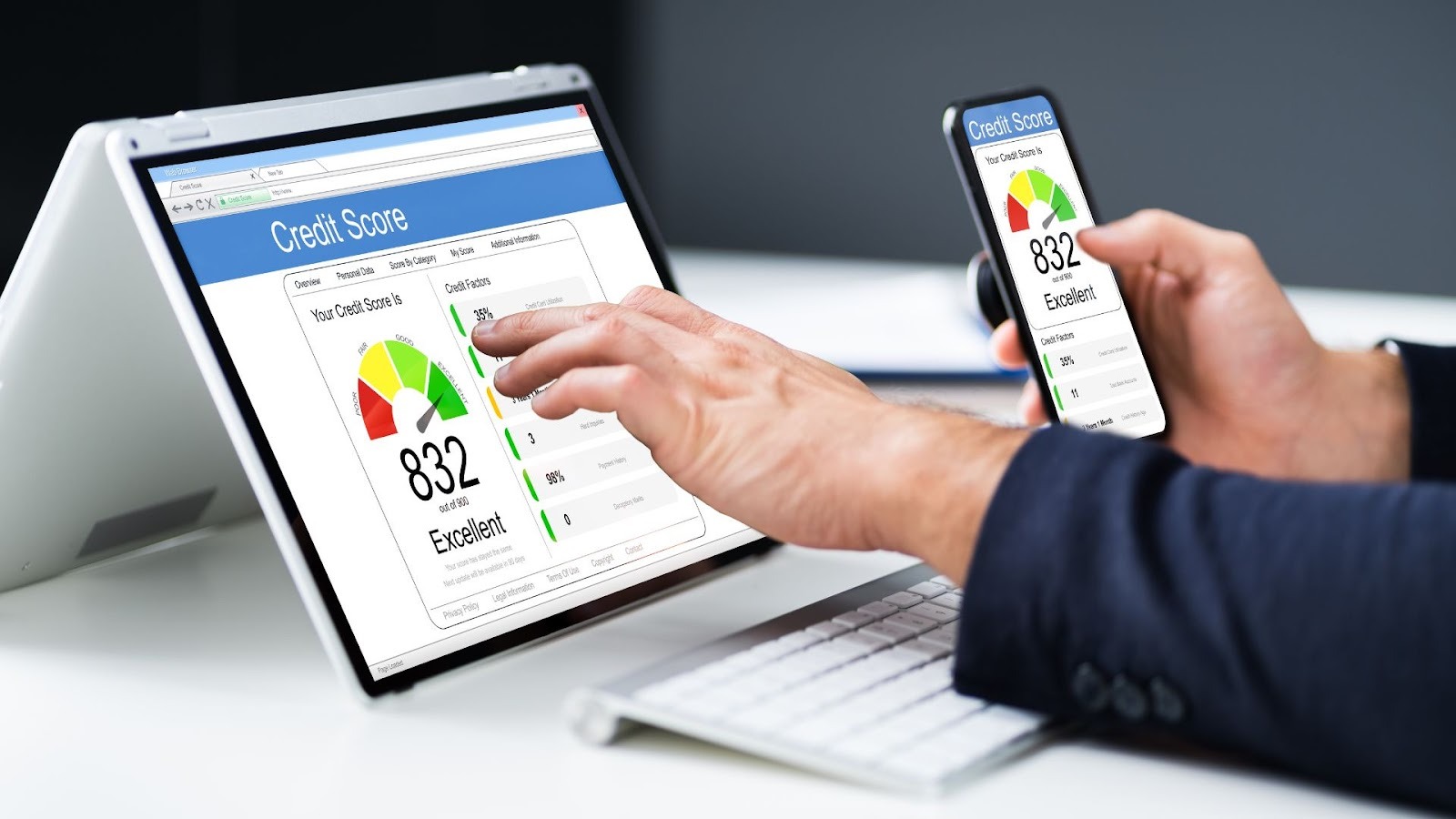
If you are unable to verify your identity online, requesting your credit report by mail is one of the most reliable options. The three nationwide credit bureaus, Experian, Equifax, and TransUnion, all accept mail requests from individuals without SSNs.
What you’ll need:
Mailing addresses:
Include a short letter requesting your credit report and specify that you do not have an SSN but are enclosing your alternative identification. Make sure your documents are copies, not originals.
This process may take two to four weeks, but it’s an effective way to confirm what information exists in your name. Once you receive your report, review it carefully for accuracy and ensure all listed accounts belong to you.
Now that we’ve covered ITIN and mail-based options, let’s explore how contacting credit bureaus directly can make the process faster.
If you prefer a more direct option, you can contact credit bureaus by phone or through their customer support channels. Many people without an SSN find this approach faster because it allows live verification of identity.
When you call, representatives will ask for key details to locate your credit file. This may include your ITIN, date of birth, full name, address history, and government-issued ID number. If a credit file exists, they can guide you on how to access it or mail you a copy.
Contact numbers for the three major bureaus:
During the call, explain that you want to check your credit report without an SSN. Representatives can manually verify your identity using other identifiers. In many cases, they may also request you to email or mail supporting documents.
This method can save time and help ensure you speak to an authorized person instead of submitting multiple online forms. For example, if you recently moved or changed addresses, phone support allows you to confirm these updates immediately.
Once verified, the bureau can provide your credit score, mail your report, or explain the next steps for building credit. If you cannot verify your identity over the phone, you can send documents through secure mail.
Also Read: Understanding If 721 Is A Good Credit Score
Even without an SSN, you can confirm your identity by submitting approved identification documents to the credit bureaus. This allows them to match your personal data with existing credit records.
When submitting documents, always send copies, not originals. Each bureau provides a secure mailing address or upload portal for verification. Make sure your name and address match across all documents to avoid processing delays.
Tips for a smooth process:
Providing consistent documentation helps credit bureaus accurately locate or create your file. Once confirmed, you’ll be able to view your credit score and report.
Now that you understand how identification works, let’s discuss how credit reports can exist even without an SSN, and why that may already be the case for you.
Many people are surprised to learn that a credit report can exist even without a Social Security Number. Credit bureaus do not rely on a single identifier. Instead, they use a combination of personal details, such as your name, date of birth, address history, and account information, to match financial records.
For example, if you have ever paid rent, opened a utility account, or financed a purchase in the U.S., that activity may already be linked to your name and address. Over time, this data helps build a partial credit file, even if no SSN was ever used.
Creditors and service providers often submit account details to bureaus using names and addresses. The bureaus then match this information to the most accurate record available. When you later provide an ITIN or SSN, that data merges with your existing file.
It’s important to understand that a credit report without an SSN may not include every account. Some lenders may skip reporting, while others could create duplicate files under slight name variations. Reviewing your credit report regularly helps correct these issues and ensures your information remains accurate.
Now that you know a credit profile can exist without an SSN, the next step is learning how to track it safely using legitimate tools.
Also Read: Debt Consolidation Loan Strategies for Poor Credit
Monitoring your credit is essential, especially if you’re building credit without a Social Security Number. Fortunately, several legitimate services and financial apps allow you to check your score using an ITIN, passport, or other valid ID.
These platforms provide more than just credit scores. They help you understand payment patterns, watch for errors, and receive alerts if new accounts appear.
When using any credit-monitoring app, verify that it uses secure, encrypted systems and complies with the Fair Credit Reporting Act (FCRA). Avoid “credit repair” services that promise to erase debt or boost scores instantly; these are often misleading.
For non-SSN holders, consistent monitoring builds awareness and helps detect potential identity errors early. As you track your score, you can also take practical steps to build a stronger credit history over time.
Once you can check your credit, the next goal is to build a positive credit history, even without a Social Security Number. This process takes time, but it’s entirely possible to use alternative tools and reporting methods.
Pro Tip: Consistency matters more than the amount borrowed. On-time payments and stable accounts show reliability, which strengthens your credit file over time.
Building credit without an SSN requires patience, but it opens opportunities for future financial independence, such as qualifying for housing, business loans, or lower insurance rates.
Once you start building credit, it’s important to know your rights as a consumer, especially regarding how your data is used and protected.
Even if you do not have an SSN, you are still protected by the Fair Credit Reporting Act (FCRA), the federal law that governs how credit information is collected, used, and shared.
If you’re denied credit, a loan, or housing based on your report, the creditor must provide a written explanation and identify which bureau supplied the data.
Important: Non-SSN consumers, such as ITIN holders or foreign nationals, have the same dispute and protection rights as U.S. citizens. The Consumer Financial Protection Bureau (CFPB) and the Federal Trade Commission (FTC) both offer resources for submitting complaints or resolving credit reporting issues.
Knowing these rights gives you confidence to monitor, correct, and manage your credit information safely. The next section will answer common questions from people checking credit without an SSN, and how to take action if you face challenges.
Also Read: Steps to Obtain a Perfect 850 Credit Score
You don’t need a Social Security Number to take control of your financial journey. With an ITIN or other valid identification, you can check your credit, monitor your report, and build a strong financial profile over time.
Understanding your credit standing is one of the most important steps toward stability and confidence. It helps you qualify for opportunities, track your growth, and spot potential issues before they affect your future.
If you’re facing challenges with debt, credit verification, or financial stress, Shepherd Outsourcing Services can help. Their team provides professional, lawful solutions for managing and rebuilding financial health — always with transparency and care.
Take the first step today: reach out to Shepherd Outsourcing Services to learn how you can protect your credit and move forward with confidence.
Yes. The three major credit bureaus can locate or create a credit file using your name, date of birth, address history, or ITIN.
If you are new to the U.S. financial system, you may not have a full report yet. However, accounts such as rent, utilities, or certain bank loans may already create a partial credit record.
Yes. The credit bureaus use secure systems and encryption to protect personal data. Always send copies of identification documents, never originals.
Absolutely. On-time payments for rent, phone bills, or small installment loans can all help build a positive credit history.
At least once a year—or more often if you’re actively building credit. Regular reviews help you catch errors early and track your progress.

This communication is from a debt collector. This is an attempt to collect a debt and any information obtained will be used for that purpose.

.jpg)